Oral Health

Your oral health may affect your heart health.

The Connection Between Oral Health and Heart Health

Mouth germs and gum inflammation can enter the bloodstream and is linked to inflammation in the body. Gum disease is linked to higher risk for heart and blood vessel disease and high blood pressure. Your dental team can help you take the next step. Along with caring for your teeth and gums, they may check your blood pressure to help you stay informed about your health.

Quick Facts

  • Bleeding, swollen, or inflamed gums may be a sign of gum disease, which has been linked to a higher risk of heart and blood vessel disease.
  • Germs and inflammation from unhealthy gums can enter the bloodstream and may affect blood vessels and heart health.
  • Many dental offices screen for conditions such as high blood pressure and can help identify health concerns that may affect your overall well-being.
  • Brushing twice a day, flossing daily, eating a healthy diet, avoiding tobacco, and keeping regular dental visits can support both oral and cardiovascular health.

Tools and Resources for a Healthier Mouth and Heart

Looking for practical tips, information about blood pressure and oral health, or ways to prepare for your next appointment? Explore these resources to find information you can use and share with your dental or medical care team.
Simple Daily Habits for a Healthier Mouth and Heart: Small daily habits can make a difference. Use this checklist to build a routine that supports healthy teeth and gums, including brushing with fluoride toothpaste, cleaning between your teeth, and avoiding tobacco. Choose a habit you can start today.
Simple Daily Habits for a Healthier Mouth and Heart (PDF)

Daily habits that protect your heart and mouth guide
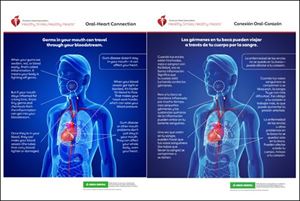
How Are Your Mouth and Heart are Connected? Research has found a connection between gum disease, although gum disease has not been proven to cause heart disease. Explore this infographic to understand the relationship between oral health, inflammation, and heart health.
Your Mouth and Heart are Connected (PDF)

Your Mouth and Heart are Connected infographic
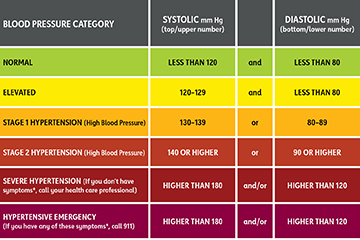
Understand Your Blood Pressure: High blood pressure often has no symptoms, making regular checks important. Learn what your blood pressure numbers mean, how high blood pressure affects your health, and when to follow up with your health care team. Your dental visit may be another opportunity to learn your numbers.
Explore Life's Essential 8: Your heart health is shaped by everyday habits and health factors. Discover the American Heart Association's eight essential measures of cardiovascular health, including nutrition, physical activity, sleep, tobacco exposure, blood pressure, cholesterol, blood sugar, and weight.
Explore Life's Essential 8 (PDF)

Life's Essential 8™
Your Guide to Oral and Heart Health: Explore how oral health relates to your overall health and why regular dental care matters. This patient education booklet offers information to help you care for your teeth and gums and have informed conversations with your dental and medical care teams.
Your Guide to Oral and Heart Health (PDF)

Patient Education Booklet
High Blood Pressure Guideline Top 10: Learn the top 10 takeaways from the new high blood pressure guideline: dementia risks, heart disease prevention, pregnancy concerns, when to seek emergency care and more.
High Blood Pressure Guideline Top 10 (PDF)

Man checking blood pressure at dining room table
Ways to Care for Your Mouth and Heart: Healthy habits can help protect both your smile and your heart. This short video shares easy steps you can take every day, such as brushing, flossing, eating healthy foods, knowing your blood pressure, and keeping regular dental visits. Learn how small changes can make a big difference for your health.
Ways to Care for Your Mouth and Heart
Maneras de cuidar tu boca y corazon (Spanish Version)

Your Questions About Oral and Heart Health Answered

Understanding the Connection
How are oral and heart health connected?
Research has found a connection between gum disease and heart disease, which affects the heart and blood vessels. Gum disease cause inflammation in your gums, and bacteria from the mouth can sometimes enter the bloodstream. Taking care of your teeth and gums is an important part of caring for your overall health. Brush twice a day, clean between your teeth daily, and keep up with recommended dental visits.
Can gum disease cause heart disease, a heart attack or strokes?
Studies show that people with gum disease have a higher risk of cardiovascular problems, including heart attack and stroke. However, research has not proven that gum disease directly causes these conditions. Gum disease and heart disease also share risk factors, including tobacco use and diabetes. If you have gum disease or concerns about your heart health, talk with your dental and medical care teams about ways to manage your risks.
Does treating gum disease prevent heart attacks, or strokes?

There is not enough evidence to show that treating gum disease prevents heart attacks and strokes. However, treating gum disease can improve hum health and may reduce some signs of inflammation in the body.

Treating gum disease remains important for protecting your teeth and gums. Ask your dental team about treatment options and continue following your medical care team's recommendations for cardiovascular health.

Which tooth is connected to the heart?
No single tooth is connected to the heart. The connection is about oral health, not one tooth.
What It Means for Your Health
Is gum disease connected to high blood pressure?

Research has found an association between gum disease and high blood pressure, also called hypertension. Some studies suggest that treating gum disease may modestly improve blood pressure in certain people, but more research is needed.

Gum disease treatment does not replace blood pressure care. Know your blood pressure numbers, follow your medical care team's recommendations, and talk with your dentist about your gum health.

Can a tooth infection affect my heart?

In rare cases, bacteria from the mouth can enter the bloodstream and cause a serious infection of the heart's inner lining or valves, called infective endocarditis. People with certain conditions are at greater risk.

Most tooth infections do not cause heart infections, but they still need prompt dental care. Contact your dentist if you have signs of a tooth infection, such as pain, swelling, or fever, and tell your dental team about any heart conditions you have.

What should I do if my gums bleed when I floss or brush my teeth?
Bleeding gums can be a sign of inflammation or gum disease, especially if the bleeding happens regularly. Brushing too hard or starting a new flossing routine can also irritate your gums. Continue brushing gently with a soft-bristled toothbrush and cleaning between your teeth daily. If bleeding continues, make an appointment with your dentist to find out what's causing it.
Take the Next Step
Why does my dentist check my blood pressure?

Your dentist may check your blood pressure because it provides important information about your overall health and can help your dental team plan safe care. High blood pressure often has no symptoms, so a dental visit may be an opportunity to identify a reading that needs follow-up

A single high reading does not necessarily mean you have high blood pressure. Ask your dental team what your numbers and whether you should follow up with your medical care team.

What can I do to care for my mouth and heart?

Healthy daily habits can support both oral health and cardiovascular health. Brushing twice a day with fluoride toothpaste, cleaning between your teeth daily, eating a healthy diet, avoiding tobacco, and keeping recommended dental appointments can help protect your health.

Share your health conditions, medications, and any changes in your health with your dental and medical care teams. Start with one habit you can work on today and ask your care team what else may be helpful for you.

The American Heart Association’s Healthy Smiles, Healthy Hearts™ initiative, in collaboration with Delta Dental, is dedicated to bridging the gap between oral and heart healthcare. Learn more about our mission.

Delta Dental is proud to collaborate with the American Heart Association's Healthy Smiles, Healthy Hearts initiative.
Learn more about Delta Dental(link opens in new window)(link opens in new window).

Delta Dental logo

Delta Dental is a registered trademark of Delta Dental Plans Association.